12th May 2026
John Jenkins Designs: First Anglo Afghan War preview
THE LAST STAND AT GANDAMAK, 13th JANUARY 1842
The Battle of Gandamak on 13th January 1842 was a defeat of British forces by Afghan tribesmen in the 1842 retreat from Kabul of General Elphinstone’s army, during which the last survivors of the force, mainly of the 44th East Essex Regiment, were killed.
The surviving members of the army found themselves surrounded on a snowy hillock near the village of Gandamak. With only about 20 working muskets and two shots per weapon, the troops refused to surrender. A British sergeant is said to have cried out “Not Bloody Likely!” when the Afghans tried to persuade the soldiers to surrender.
After a period of sniping followed by a series of rushes the hillock was overrun by the tribesmen.
An officer named Captain Thomas Alexander Souter was mistaken by the Afghans as a high ranking officer because they thought he was wearing a general’s yellow waistcoat. In fact the officer had wrapped the regimental colours of the 44th Foot around his body. He was dragged into captivity along with a sergeant named Fair and seven privates. The remaining troops were killed.
Traces of weapons and equipment from the battle could be seen in the 1970’s and as late as 2010. The bones of the dead still cover the hillside.
To celebrate this 20th year anniversary, JJD will be releasing a Special Limited Edition Series of 250 sets, based on the 44th Regiment of Foot’s Last Stand At Gandamak, 13th January 1842.
These sets will be released throughout this twentieth year, with the final set being released in May 2027.
THE FIRST SET, COMMEMORATING THE LATE Bt. Capt. Thomas Collins, WILL BE AVAILABLE IN JUNE.
Each set will include a traditional JJD Limited Edition numbered Certificate, … and a small bag of Woodland Scenic Snow to sprinkle over the base.
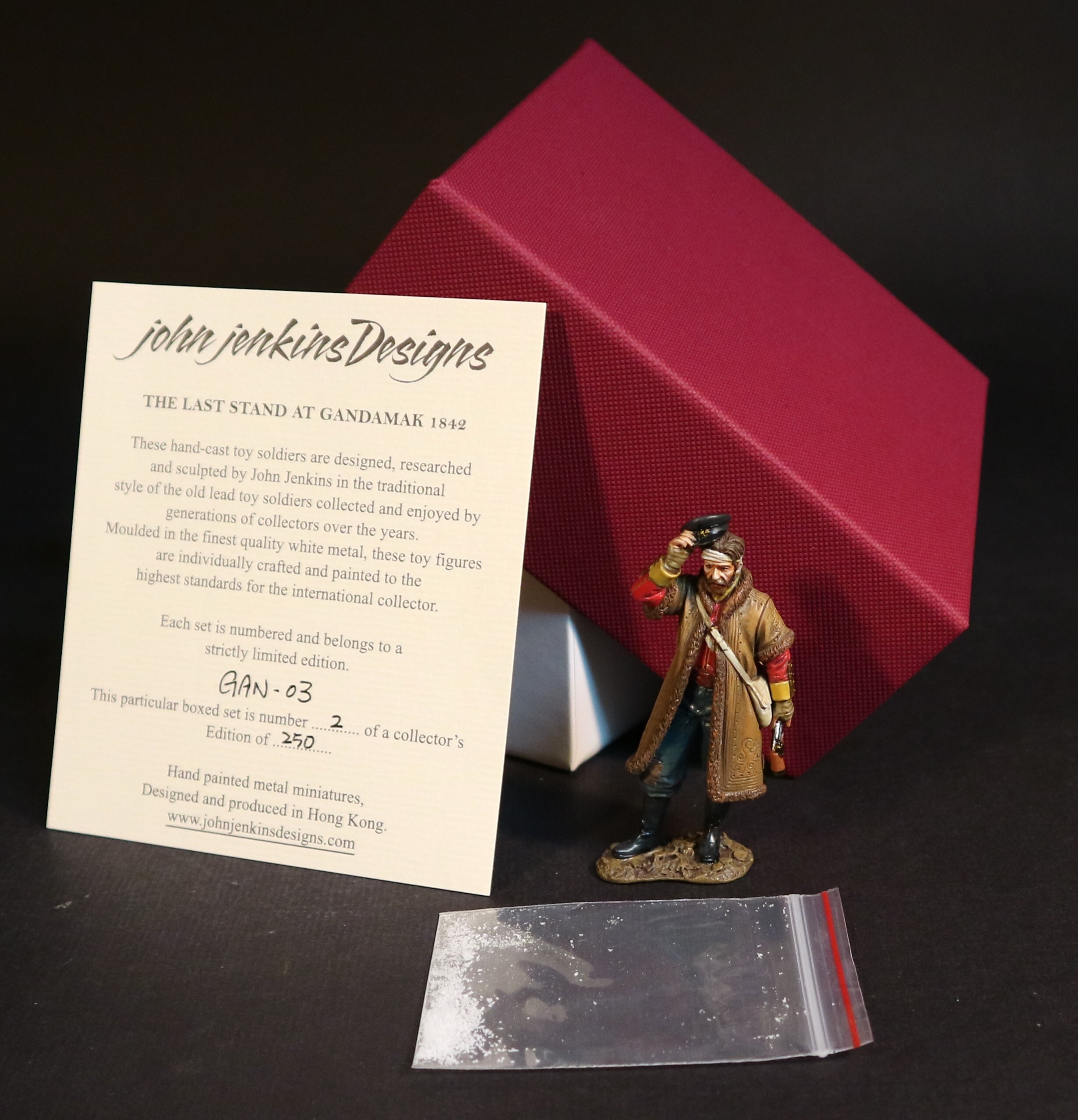
Bt.Capt. THOMAS C. COLLINS.
Out of those men who struggled through to that small windswept hill above the little village of Gandamak, there was an officer of the 44th by the name of Thomas C. Collins. He was perhaps, as indistinct as the hill itself, lost to history… a nameless figure in a Wollen painting, his only legacy an inscription on the wall of Mumbai’s Afghan Church.
Thomas Collins was born in Bristol in 1801. His father was a lieutenant and Adjutant of the 2nd Dragoon guards, which no doubt helped his son’s prospects, for at the age of eighteen he was commissioned into his father’s regiment as Cornet. Marriage and promotion came, but no children, and he soon found himself in India, perhaps to look over his younger brother who had gone east to join the 6th Madras Light Cavalry in 1828. This, of course, required a transfer into the 89th Regiment of Foot, recently returned from Burma and now in Madras.
His desire to stay in India was evidently strong, for when the 89th returned to England, he stayed and transferred to the ill-fated 44th (East Essex) Regiment of Foot. He was promoted to Captain (unattached Company) in 1841, with the regiment in Kabul, but requested to stay with the 44th even though he could only remain as Lieutenant.
Soon the Kabul insurrection was upon them, and the 44th found itself in various skirmishes culminating in the sharp action on the Beymaru Heights. The subsequent rout contributed to the poor morale of the garrison and with winter upon them and supplies running out, the remnants of the Army of the Indus rode out, towards India and towards its end.
Brevet-Captain Collins, having survived the horrors of the Khord Kabul pass, was injured in his left arm at Kutter Sung on the 11th. He struggled through the infamous holly oak barrier at the Jagdalak Pass, only to meet his end at Gandamak alongside his brother officers and men.
His widow Emma petitioned the government for his pension. This was duly granted with the signature of the Colonel of the 44th, allowing her to live out her days in a little cottage near Norwich, saddened by the knowledge that her husband’s body would never see England again. Indeed, it would never leave Afghanistan, and would remain forever upon that windswept hill above Gandamak.
CAPTAIN THOMAS ALEXANDER SOUTER
Captain T. A. Souter (11th December 1796 -10th June 1848) was the sole surviving officer of the Last Stand of the British Army, composed mostly of men from the 44th (East Essex) Regiment of Foot, near Gandamak, Afghanistan, at the close of the First Anglo Afghan War in 1842.
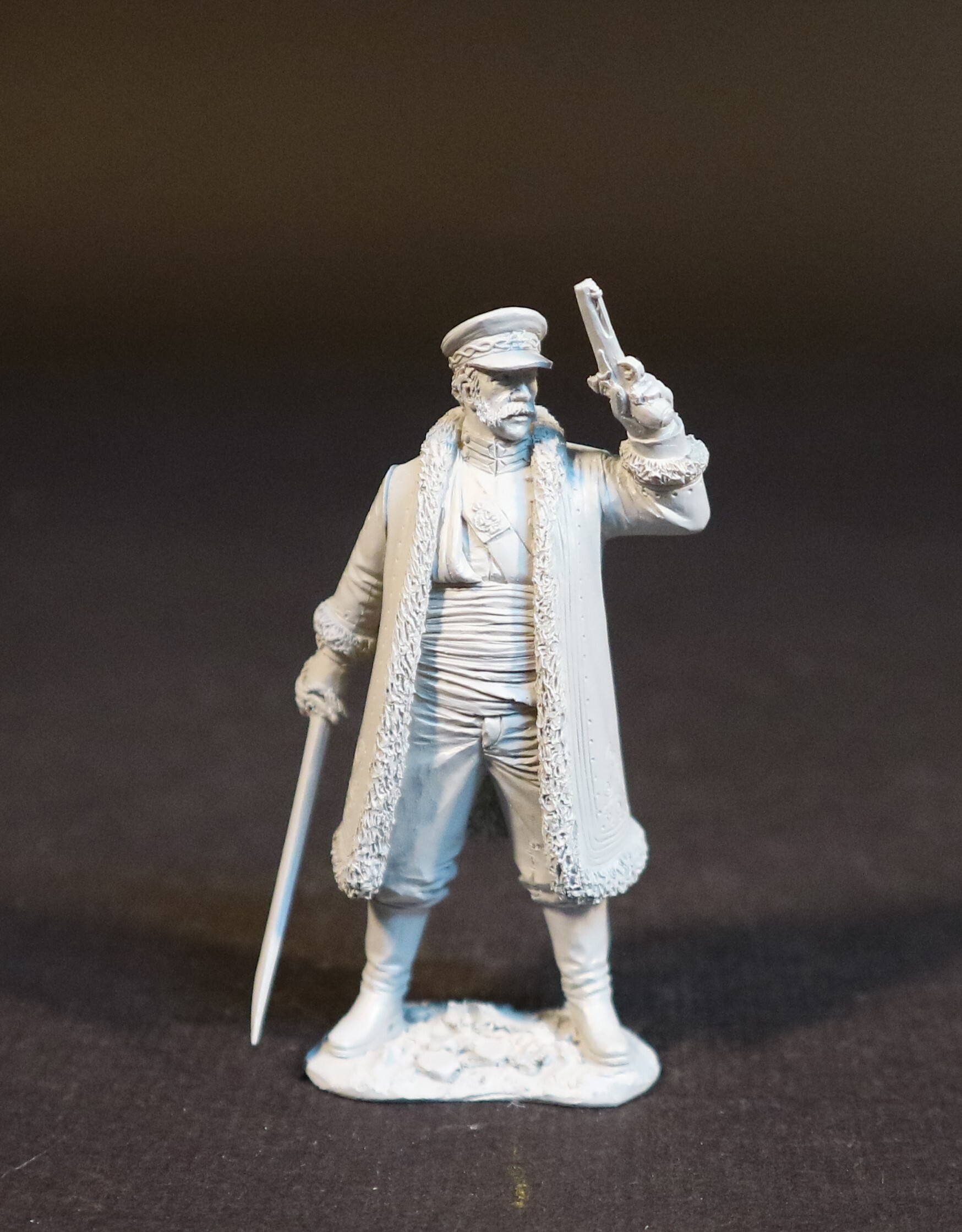
Souter was born in Guildford, Surrey, to a career army officer father, Major Thomas Souter of Derbyshire.
The younger Souter was promoted to the 44th Regiment of Foot, as a Lieutenant in 1835 after serving in the 57th Regiment of Foot.
During the 1842 retreat from Kabul, he and a sergeant had donned the somewhat bedraggled colours of the 44th under their coats to protect them from further deterioration.
The sergeant was killed before the remnants of the British Army, arrived near Gandamak, on the morning of 13th January.
According to Souter’s account in a letter to his wife, which was written in captivity, only he, a mess sergeant, and seven men were spared while the rest were slaughtered.
“In the conflict my posteen flew open and exposed the colour: thinking I was some great man from looking so flash, I was seized by two fellows who…. Took my clothes from me, except my trousers and cap, led me to a village…and I was made over to the head man”.
After a month, Souter was handed over to Akbar Khan, a son of Dost Mohammad Khan, whom the British had deposed in 1839 but who was later restored to power.
Souter and the other prisoners were finally released in September 1842. On his return to England, Souter served as a Captain in the 22nd Regiment. He resigned on 26th May 1848 and died two weeks later.
The regiment’s colour endured a complicated fate. It was returned to Souter by one of his original captors, thought stripped of its tassels, then became the possession of various men and officers of the 44th Regiment.
In recent times, it has been displayed at the National Army Museum, Lodon, England, along with a life sized mannequin of Souter and the paining depicting the Last Stand At Gandamak, by William Barnes Wollen (1898), in which Souter is prominently positioned wearing the colour.
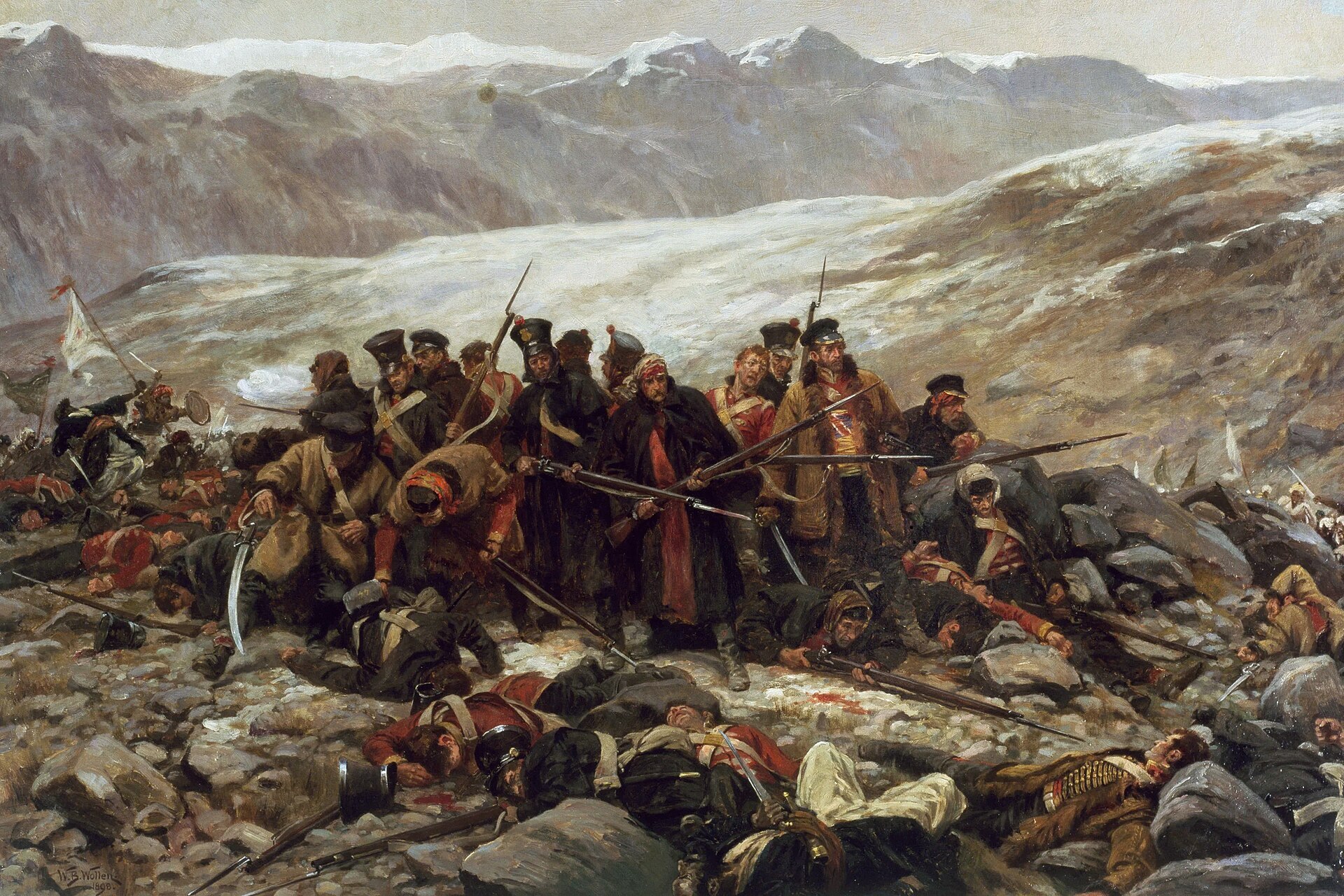
The Limited Series inspired by the William Barnes Wollen painting, will include 24 figures which will be released over the next 10 months.
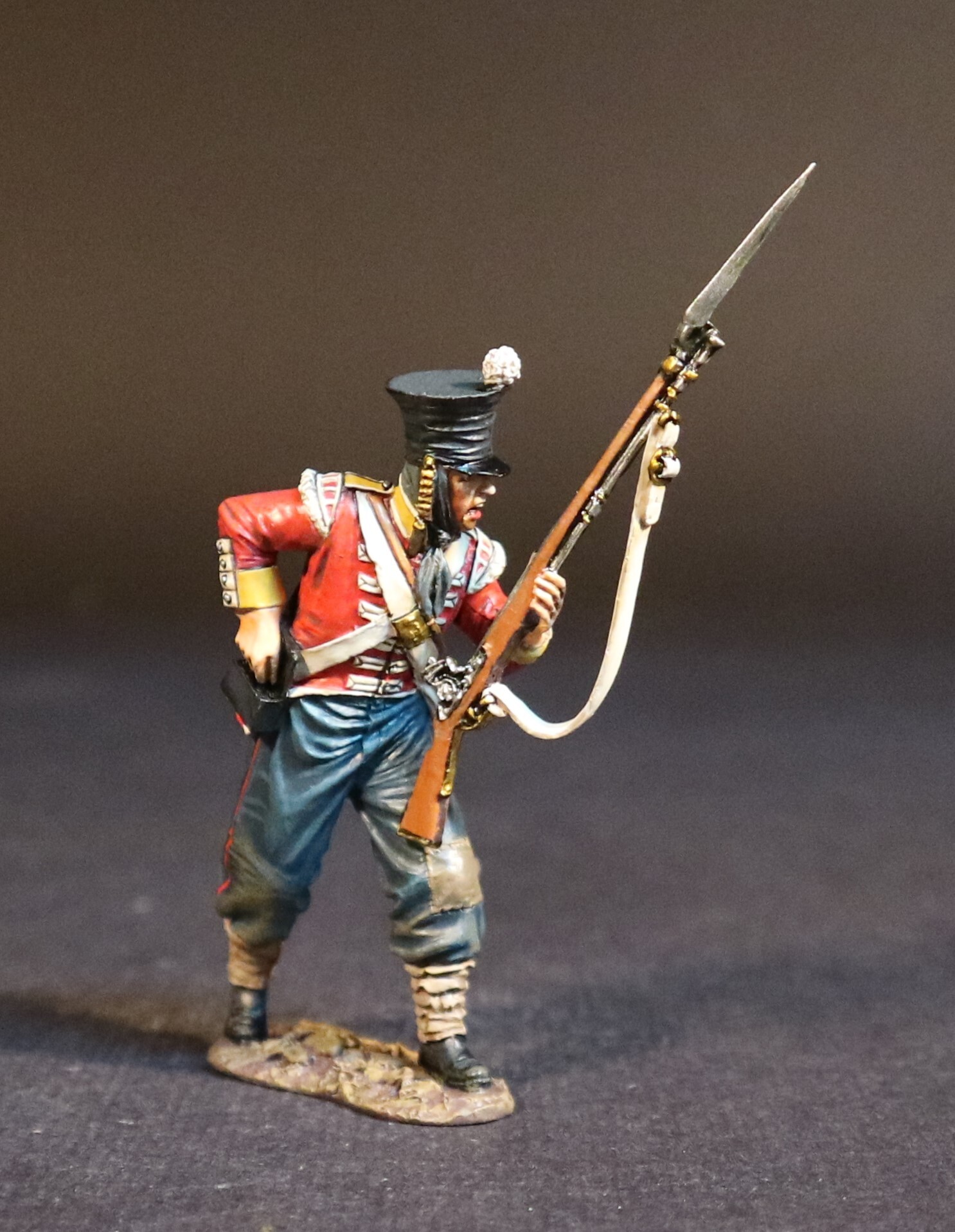
The final set is also based on another famous oil painting depicting Dr. William Brydon arriving at the gates of Jalalabad, which is titled “Remnants of An Army”, painted by the renowned Victorian military artist Elizabeth Thompson, Lady Butler.
This final set will be released in May 2027.
Dr. WILLIAM BRYDON
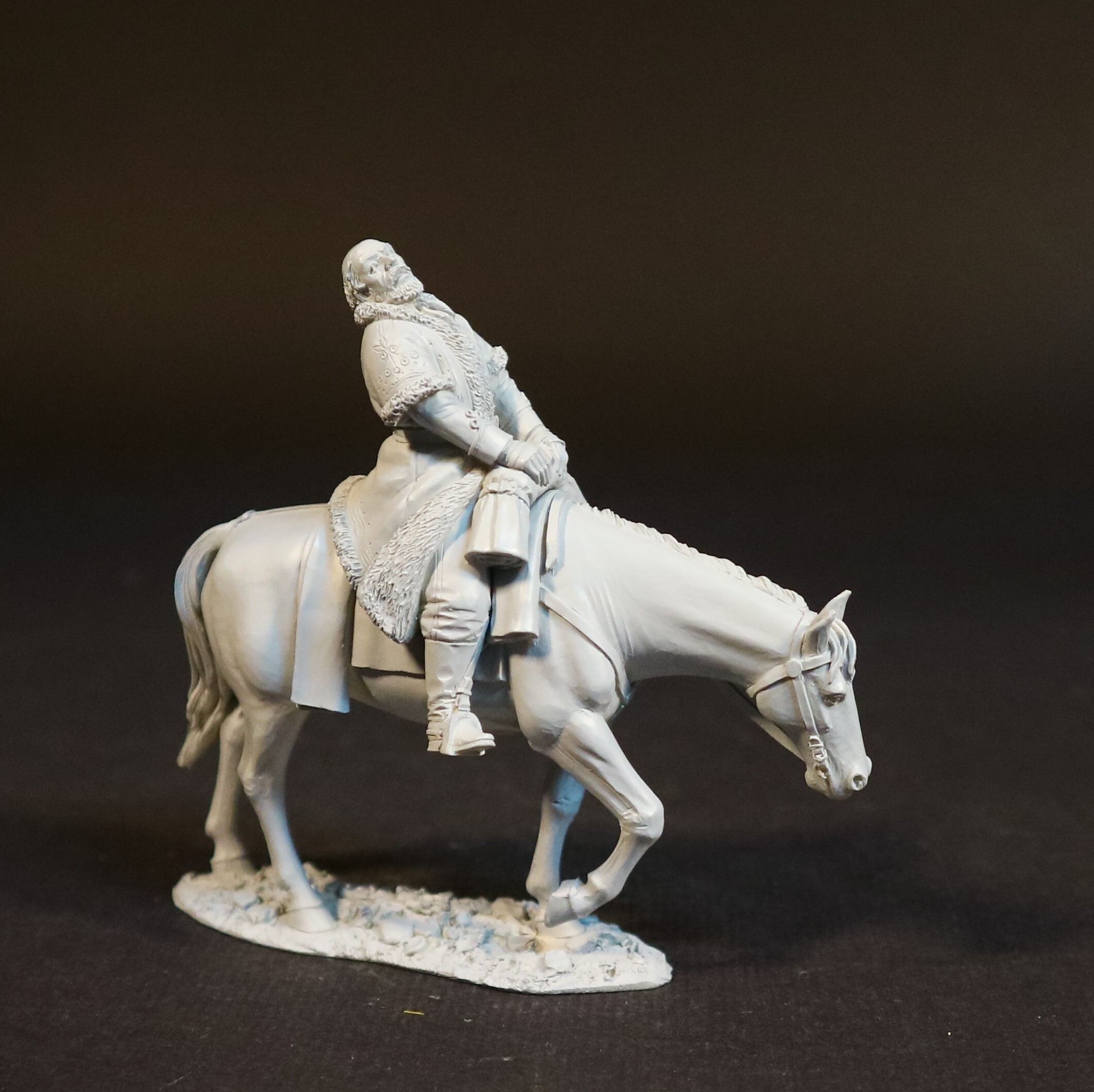
William Brydon (10th October 1811 – 20th March 1873) was a British doctor who was assistant surgeon in the Bengal Army during the First Anglo-Afghan War, famous for reportedly being the only member of an army of 4,500 men, plus 12,000 accompanying civilians to reach safety in Jalalabad at the end of the 1842 retreat from Kabul.
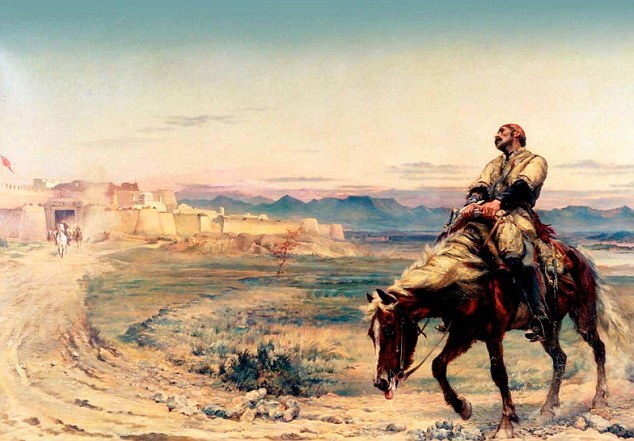
Surgeon Brydon was one of twelve mounted officers who had become separated from the remnants of the main column before the final stand at Gandamak.
This small group had ridden to Futtehabad, but half had been killed there, while six escaped.
All but Brydon were killed, one by one, further along the road as their horses became exhausted.
Both Brydon and his pony were wounded in the course of encounters with small Afghan parties.
On the afternoon of the 13th January 1842, the British troops in Jalalabad, watching for their comrades of the Kabul garrison, saw a single figure ride up to the town walls. It was Brydon.
Part of his skull had been damaged by an Afghan sword, and he survived the blow because he had stffed a copy of the Blackwood Magazine into his hat to help fight off the intense cold weather. The magazine took most of the blow, saving the doctor’s life.
THE LAST STAND AT GANDAMAK, DISPLAY STAND
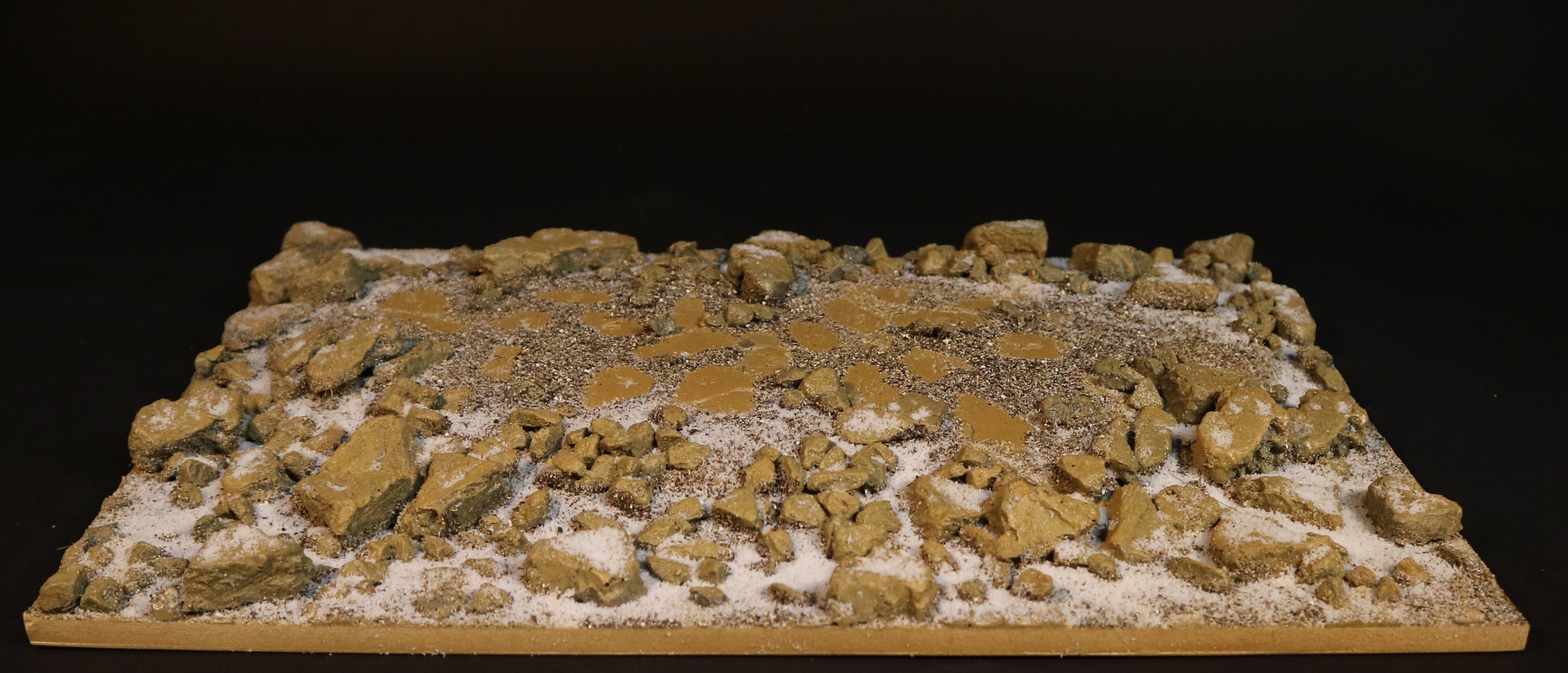
JJD is pleased to announce, that after working closely with LEE SMITHSON of SHEFFIELD MINIATURES, there will be a custom made display stand for this series.
S51. The LAST STAND AT GANDAMAK DISPLAY STAND, dimensions 13 ¾” x 9 ¾” x ¼”
Each figure in each set will be numbered, which will correspond to a number inscribed into the display stand.
contact mail@toysoldiers.com.au for more details